What Makes a Pergola Suitable for Hospitality and Resort Projects?

Introduction

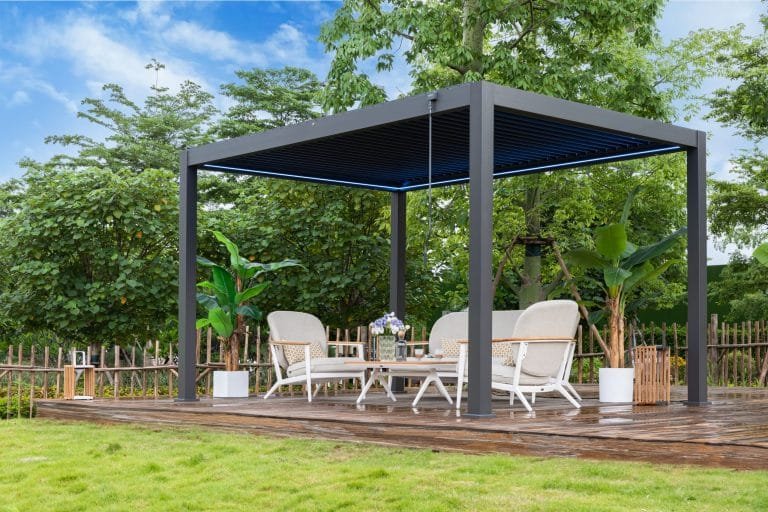
In hospitality and resort developments, outdoor spaces play a key role in guest experience and commercial value. Pergolas are no longer simple shading structures; they are functional architectural elements that must meet both operational and aesthetic requirements.

This article explains what makes a pergola suitable for hospitality and resort projects, focusing on durability, design consistency, maintenance efficiency, and long-term performance.


The Role of Pergolas in Hospitality Outdoor Spaces

In hotels and resorts, pergolas serve multiple purposes:

  • Providing shade and weather protection

  • Defining functional outdoor zones

  • Enhancing architectural identity

  • Supporting guest comfort and experience

Because these structures are used daily and exposed to outdoor conditions year-round, hospitality projects require pergolas that go beyond residential standards.


Key Characteristics of a Hospitality-Grade Pergola

1. Structural Reliability

Pergolas in hospitality environments must withstand continuous use, wind loads, and additional elements such as lighting or shading systems. A stable structural design is essential for safety and long-term operation.

2. Weather Resistance

Resort projects are often located in coastal or high-humidity regions. Materials and finishes must resist corrosion, UV exposure, and temperature changes to ensure consistent performance.

3. Design Consistency Across the Project

Hotels and resorts typically require multiple pergolas across different outdoor areas. Visual consistency in color, finish, and structure is crucial for maintaining a cohesive brand image.

4. Low Maintenance Requirements

Operational efficiency is a major concern in hospitality projects. Pergolas that require frequent maintenance increase long-term costs and disrupt daily operations.

Why Material Choice Matters

Material selection directly affects durability, maintenance, and appearance. Aluminum pergolas are widely adopted in hospitality projects due to their balance of strength, weather resistance, and design flexibility.

Compared to traditional materials, aluminum allows for consistent production, scalable layouts, and reduced maintenance, making it suitable for large resort and hotel environments.


Common Hospitality Applications

Pergolas designed for hospitality and resort projects are commonly used in:

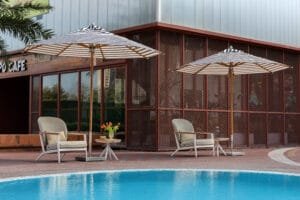
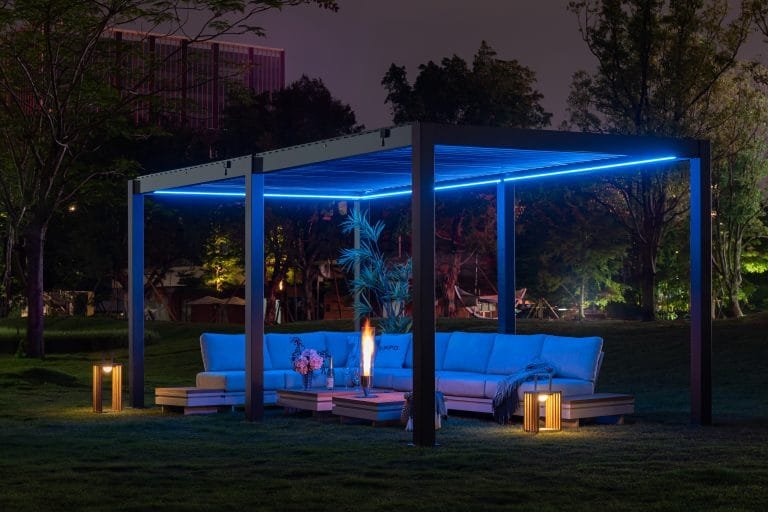
  • Hotel poolside areas

  • Resort outdoor lounges

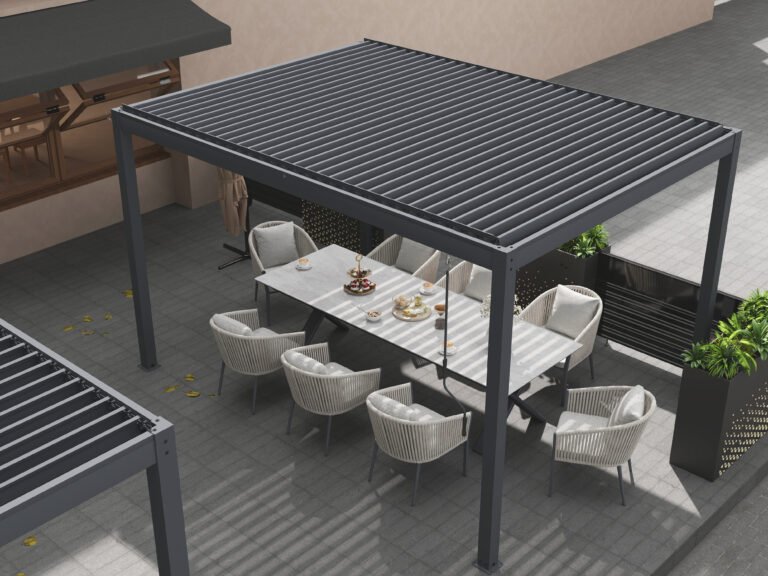
  • Restaurant terraces

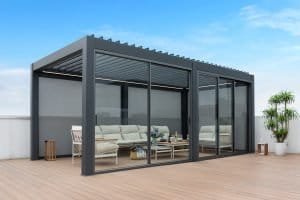
  • Courtyards and rooftop spaces

In each scenario, pergolas must integrate seamlessly with overall project planning and guest circulation.


Working with a Professional Pergola Supplier

Hospitality projects benefit from working with suppliers who understand commercial requirements. A professional supplier should offer:

  • Project-oriented solutions

  • Customization and scalability

  • Stable quality control

  • Reliable delivery and support

SIMPOLIVING works closely with hospitality partners to provide pergola solutions designed specifically for resort and hotel outdoor environments.

Conclusion

A pergola suitable for hospitality and resort projects must deliver structural reliability, weather resistance, visual consistency, and operational efficiency. By focusing on these factors, project planners can ensure long-term performance and a high-quality guest experience.

For hotels and resorts, choosing the right pergola solution is an investment in both functionality and brand value.

Facebook
Twitter
LinkedIn

Get Product Information Inquire Now

Interested in learning more about our outdoor furniture? Leave your contact details below, and our team will get in touch with you soon to arrange a free product consultation.

Shopping cart close