Introduction
In hospitality projects, outdoor furniture layout planning is not only a design task but also a strategic decision that affects guest experience, operational efficiency, and long-term performance. A well-planned layout helps hotels and resorts maximize usable space while maintaining visual consistency and comfort.
This article explains how to plan a complete outdoor furniture layout for hospitality projects, guiding project owners and planners through key considerations from zoning to long-term scalability.
Why Outdoor Furniture Layout Matters in Hospitality
Outdoor areas in hotels and resorts serve multiple functions, including relaxation, dining, circulation, and social interaction. Poorly planned layouts can lead to congestion, underutilized areas, and inconsistent guest experience.
Effective layout planning supports:
Key Steps in Planning an Outdoor Furniture Layout
1. Define Functional Zones
Hospitality outdoor spaces typically include lounge areas, dining zones, poolside seating, and transitional pathways. Clearly defining these zones helps optimize furniture placement and improve usability.
2. Balance Capacity and Comfort
Maximizing seating capacity should not compromise comfort. Adequate spacing between furniture pieces ensures ease of movement and a relaxed guest experience.
3. Coordinate Furniture with Structures
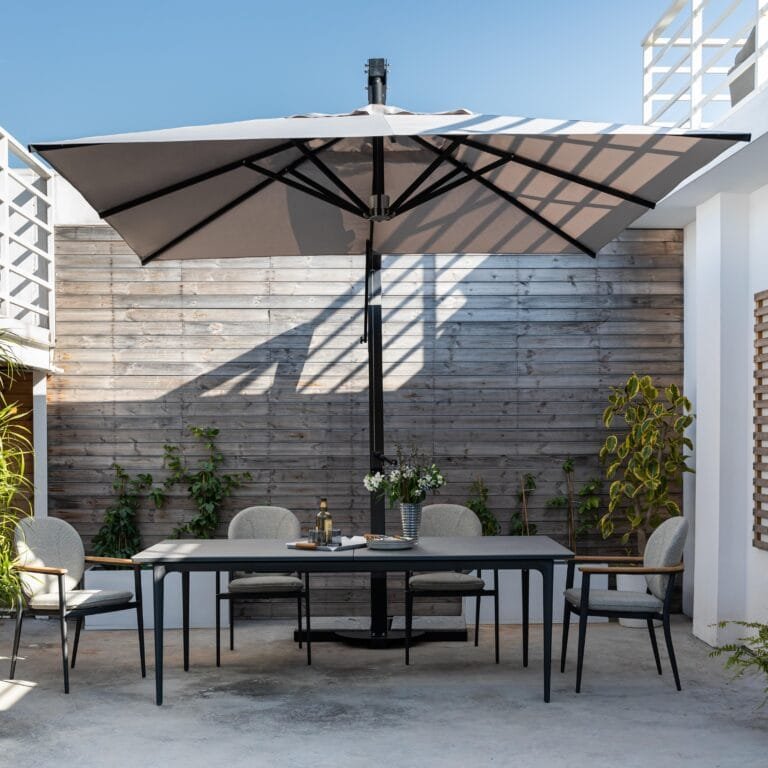
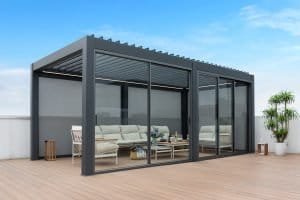
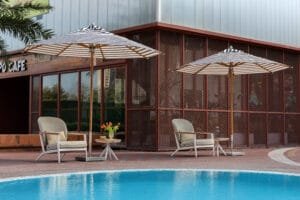
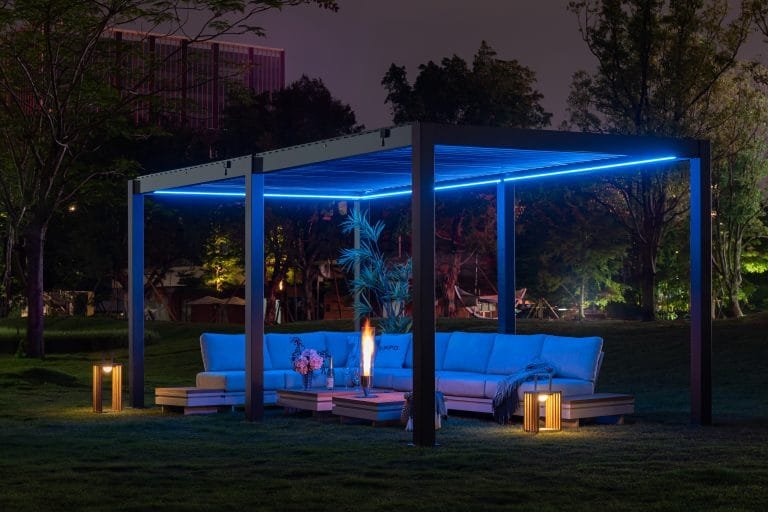
Outdoor furniture should work in harmony with pergolas, umbrellas, and architectural elements. Shaded areas require furniture designed for longer stays, while open zones may support more flexible arrangements.
4. Maintain Visual Consistency
Consistent furniture styles, colors, and materials create a cohesive visual identity across the project, reinforcing the hotel or resort brand image
Durability Meets Design
1. Unmatched Durability Rope, especially synthetic varieties like polypropylene or nylon, offers exceptional durability against the elements. These materials resist moisture and UV radiation, preventing degradation from sun exposure and damp conditions. This resilience makes rope an ideal choice for outdoor furniture, ensuring long-lasting use and minimal maintenance, which is crucial for any garden furniture supplier.
2. Aesthetic Flexibility One of the most significant advantages of using rope in outdoor furniture is its aesthetic versatility. Rope can be woven in various patterns and thicknesses, allowing for a range of designs from minimalist to intricate. This flexibility enables designers at luxury outdoor furniture factories like Simpoliving to create pieces that are both trendy and timeless, catering to diverse consumer tastes.
3. Comfort and Functionality Beyond its visual appeal, rope is inherently flexible, making it exceptionally comfortable for seating and backrests. It adapts to the user’s body shape, providing enhanced comfort without the need for additional cushions. This functionality makes it particularly popular among consumers looking for comfortable yet stylish outdoor furniture.